
How ANPC Precision Health works
The screens are the visible edge of a governed coaching lifecycle. This guide follows a session from plan to evidence-linked review, then shows how a raw metric earns its place in a coaching claim.
Think of ANPC Precision Health as a careful coach with a filing cabinet. It remembers the workout plan, what actually happened, what you said, and what the coach concluded — without mixing those things up.
Guest Mode · every number below is real, sanitized from a live training week
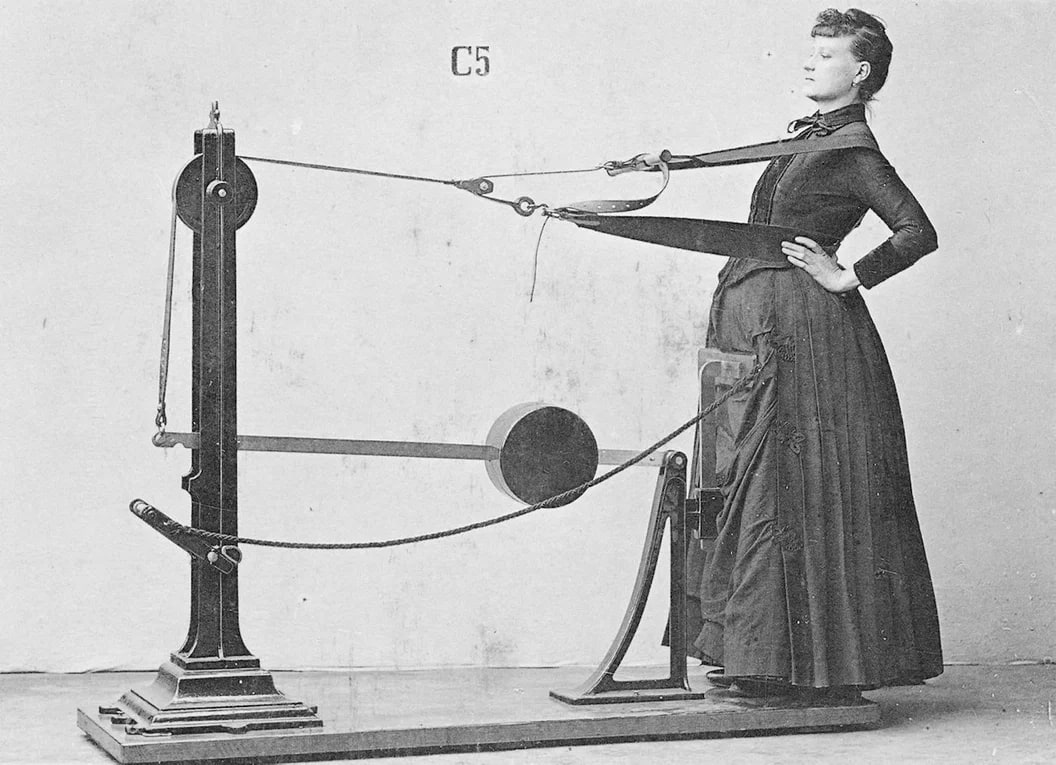
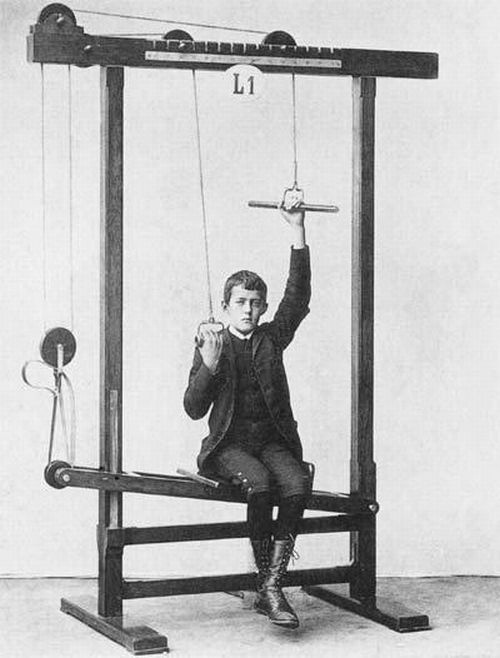
station C5 · c. 1892
What happens when you start a session review
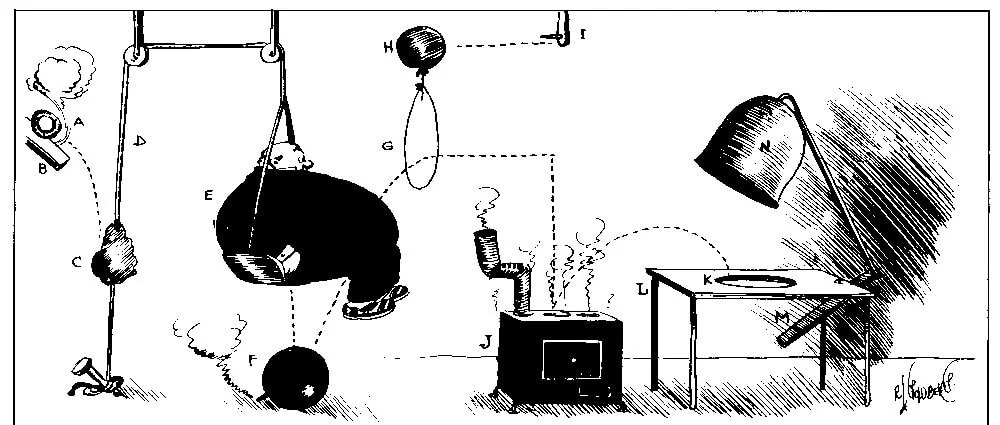
One orchestrator owns the coaching judgement. Narrow specialist agents acquire evidence, perform bounded writes, inspect the result, and render the report. They do not independently decide what the athlete should do next.
One lead coach makes the judgement. Several helpers do small jobs, but none of them gets to invent the answer.
The quality gates
- Edit pass: checks identity, units, expected prior state, and whether a proposed write is backed by accepted intent.
- Review pass: checks evidence links, lifecycle completeness, source coverage, and whether any action is stranded between “applied” and “verified”.
- Publication pass: renders from the durable review. The HTML is evidence of the review, never its source.
The safety checks
- Before a change: make sure it is the right workout, the right number, and a change you accepted.
- After the review: make sure every conclusion points back to real evidence and every accepted action was actually checked.
- Before the report: build the page from the saved review. The pretty page is a copy, not the master record.
Wiki diagram · static renderingFitness session lifecycle
SpeedianceLive template + schedule
→Precision HealthImmutable Session Plan Revision
→CWN + completed evidenceAthlete voice + provider record
→Coach ReviewInterpretation + proposed action
→Derived surfaceTraining Review + next-session context
PostgreSQL is authoritative after capture. The LAN report is derived. Notion is a retired archive.
Abstract model, then a worked example
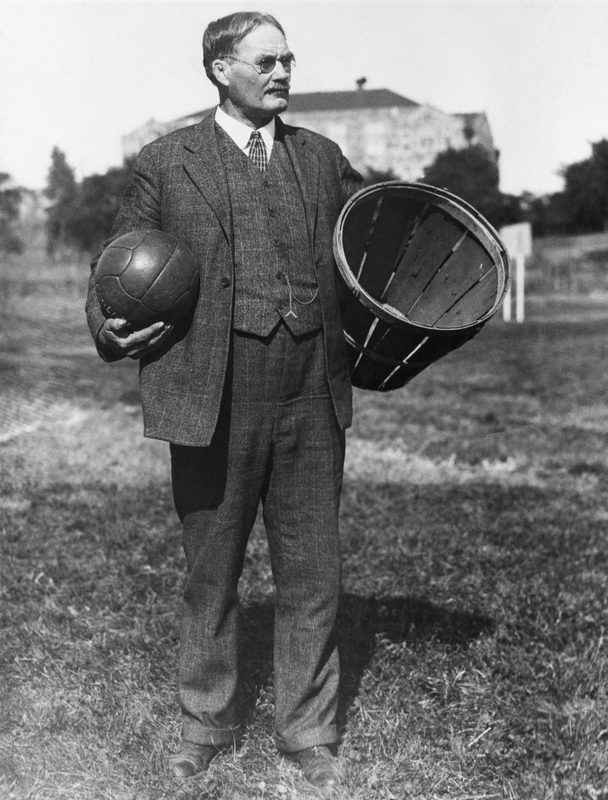
james naismith · the first coach of a game he wrote down
Naismith wrote basketball’s thirteen rules first and coached to them after — the rules were the system, the coach applied them. Same division of labour here: the lifecycle below is the written rule, and one coach owns the judgement inside it.
The abstract model
The simple version
Wiki diagram · static renderingCoaching data lifecycle — abstract
Authoritative evidencePH / PostgreSQL read modelSHA-256 pinned
Source catalogueSelected coaching source keys
Grounding gateEvidence keys + source coverage + claim validationinsufficient → REFUSED
→PublicationRENDERED claimProvenance footer
An approved worked example
- The applied Intermediate — Chest plan preserves 18 movements, 39 steps, and 28 loaded sets before execution.
- The five-session window records 74,491 lb across 422 minutes and 154 working sets.
- The opened Aug 12 session keeps its 25 working sets and 12,856 lb of movement-level volume distinct from the plan.
- Athlete-authored notes and Coach Review conclusions remain separate records. The reports on this demo carry the conclusions in full, and the athlete's own words only where a conclusion quotes them.
- Only an explicitly accepted Carry-Forward Action can change future coaching state.
- Before the workout, the Intermediate — Chest plan saved 18 movements, 39 steps, and 28 loaded sets.
- Across five sessions, the device recorded 74,491 lb, 422 minutes, and 154 working sets.
- For Aug 12, the system keeps the 25 completed working sets and 12,856 lb separate from what was planned.
- Your own notes and the coach’s conclusions are different records. The reports here show the coach’s conclusions in full, and your words only where the coach quotes them back to you.
- A suggestion for next time changes nothing until you clearly accept it.
Wiki diagram · static renderingCoaching data lifecycle — worked example
Completed evidenceSet execution + quality signals
→QualificationProgression gate status
→Coach interpretationProposed Carry-Forward Action
→Decision ledgerAccepted state + standing cue
The training figures above are the bounded owner-approved snapshot used on the demo screens. Internal identifiers, artifact hashes, file paths, live decision transport, and body photographs and measurements are absent from every surface. The four embedded reports are otherwise unredacted: their recovery evidence, heart-rate series, nutrition entries, and coaching narrative are real and published by choice.
Those workout numbers are real figures approved for this demo. Nothing here carries a private ID, a file fingerprint, a file path, a working link back to the live system, or a body photograph or measurement. The four reports you can open are otherwise the real thing: their recovery readings, heart-rate traces, nutrition entries, and the coach’s own conclusions are shown on purpose.
How a metric becomes a grounded claim
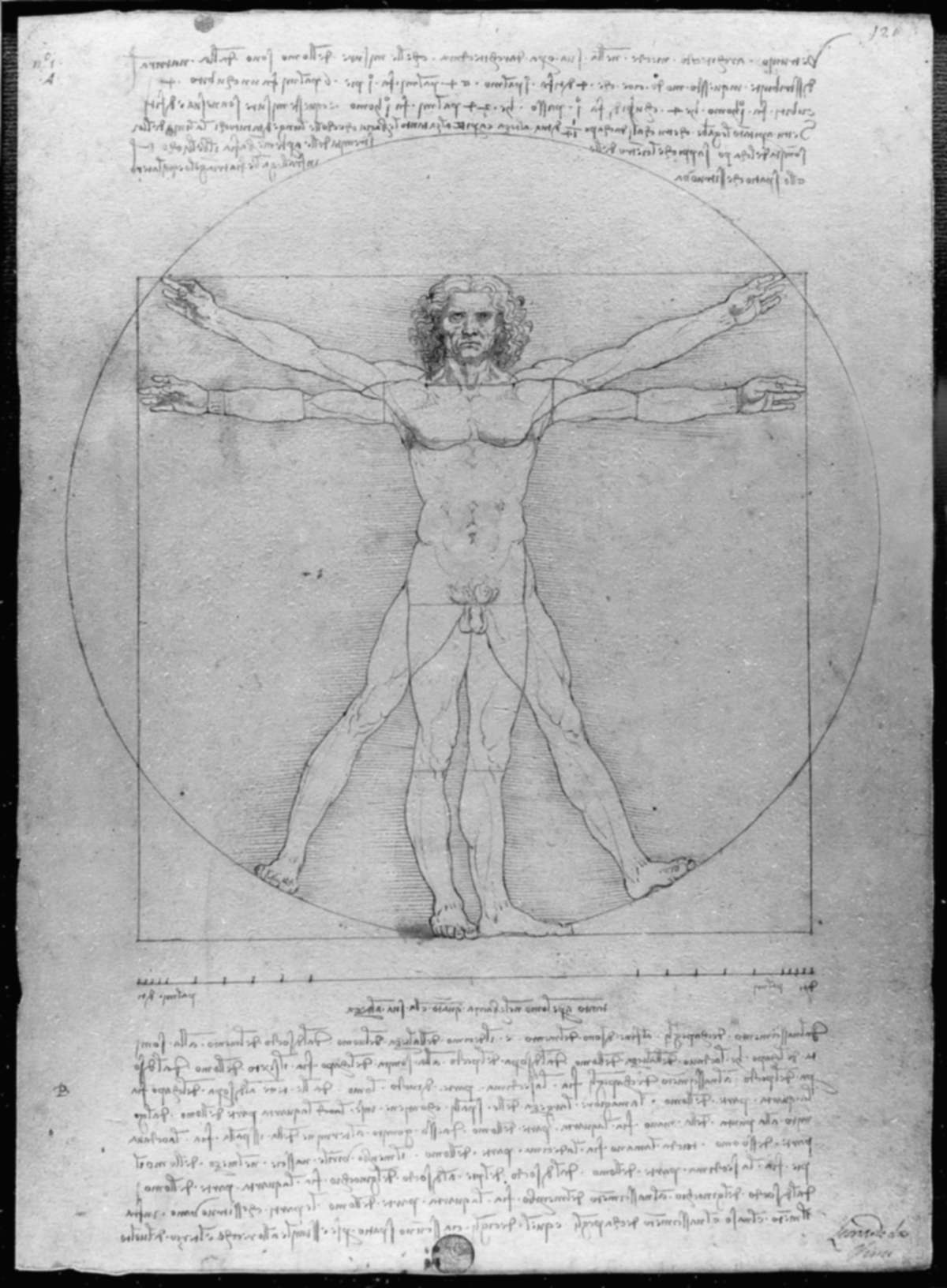
vitruvian man · c. 1490 · luc viatour scan
Leonardo’s figure is a measurement argument, not a picture of a man. Every proportion in it is derived from a stated rule — a palm is four fingers, a foot four palms — and the rule is credited in the mirror writing to Vitruvius, who wrote it down fifteen centuries earlier. The drawing is famous for the circle and the square; the part that matters here is the paragraph beside them, because it is what makes the geometry a claim rather than a coincidence. The five questions below ask a number for the same thing.
A number is not automatically a coaching conclusion. It must survive five distinct questions.
1 · SourceWhich device or capture produced it?
2 · DefinitionWhat exactly does the metric mean?
3 · ContextWhich set, movement, plan, and time window?
4 · RuleWhich active strategy or source constrains interpretation?
5 · ClaimWhat can be said without exceeding the evidence?
A number does not explain itself. Before the coach uses it, the system asks five simple questions.
1 · Where?Where did this number come from?
2 · What?What does it actually count?
3 · When?Which exercise, set, plan, and day was it about?
4 · Rule?What agreed coaching rule applies?
5 · So what?What is the smallest safe conclusion?
Example: from completed sets to a qualification
The provider record shows the prescribed reps and load were completed. The metric catalogue fixes the working-load definition. The active progression strategy requires completion plus the movement’s quality threshold across the required number of exposures. Only when those rows agree can the review state “ready to progress.”
What the chain refuses
- A heart-rate mean does not rank which strength exercise was “hardest.” It mostly reflects continuous work and is reported descriptively.
- Device-reported velocity or power does not become a precise proximity-to-failure estimate without validated measurement and an applicable rule.
- An external paper can constrain a claim; it cannot override the athlete’s recorded plan, provider evidence, or explicit decision.
Example: deciding whether to add weight
First, the device must show that the planned reps and weight were completed. Then the system checks the agreed quality rule over enough workouts. Only when both are true may the coach say “ready to progress.”
Things the system will not pretend to know
- Average heart rate cannot tell us which strength exercise was the hardest. It is shown as background information.
- A machine’s speed or power number cannot tell us exactly how close you were to failure unless that measurement and rule have been proven useful.
- A research paper can set sensible boundaries. It cannot overrule your recorded plan, completed workout, or decision.
The bibliography is part of the system
Coaching references are versioned source cards, not links pasted into prose after the fact. A report pins the catalogue revision it used, and retired keys remain visible so an old claim never silently points somewhere new.
The coach keeps a dated library of the research it used. Each report remembers the exact version, so an old explanation cannot quietly change when a newer paper is added.
American College of Sports Medicine Position Stand. Resistance Training Prescription for Muscle Function, Hypertrophy, and Physical Performance in Healthy Adults: An Overview of Reviews. This overview supersedes the 2009 stand for current professional-body guidance.
Monitoring Athlete Training Loads: Consensus Statement. Keeps heart-rate interpretation alongside external load and context.
The Acute and Chronic Effects of Implementing Velocity Loss Thresholds During Resistance Training: A Systematic Review, Meta-Analysis, and Critical Evaluation of the Literature. Used when refusing an imported fixed threshold.
Influence of Resistance Training Proximity-to-Failure on Skeletal Muscle Hypertrophy: A Systematic Review with Meta-analysis. Stored with its counterpoint rather than treated as a final answer.
Report source map
How report sections map to evidence and sources
A Training Review does not cite the whole catalogue indiscriminately. Each section starts with its authoritative PH evidence, then admits only the source route that matches the claim. The final manifest pins the exact keys used.
Each part of the report has its own evidence lane. Research is added only when it helps explain that part; it never replaces what the workout record says.
PH records What actually happenedINTERNAL An explicit coaching ruleB# A versioned research source
| Report section | Grounded by | Source route | What the route permits |
|---|---|---|---|
| 01Header / identity | Session and Workout TemplateThe saved workout identity and its template | PH recordsNo external citation | Renders identity, local time, duration, movement count, working sets, and load unit.Shows which workout this is and the basic facts the device recorded. |
| 02Verdict | Durable Coach Review, observations, qualifications, and actionsThe saved coach review, its evidence, and its proposed actions | B1, B2, B3Cited structured-reflection sourcesB4Foundational after-action reflection; not automatically cited | Structures What Went Well, Gaps, and Even Better If; the sources shape reflection, not the session facts.Organizes the coach’s answer into wins, gaps, and what could be better next time. |
| 03Summary tiles | Deterministic PH read modelTotals calculated from the saved workout | PH recordsNo external citation | Reports volume, duration, gate tally, true weight PRs, and open decisions.Adds up the workout without asking an AI to guess the numbers. |
| 04Gate scoreboard | Completed sets, progression qualifications, and active strategyWhat was completed compared with the agreed progression rule | PH recordsINTERNAL-GATESPolicyB5, B6, B19, B45Progression | Supports a bounded progression qualification; passing proposes a change but never applies one.Can say “ready to consider more”, but cannot increase the workout by itself. |
| 05Telemetry findings | Evidence-linked Coach Observations and per-rep telemetryMeasurements tied to a specific set plus the coach’s saved observation | PH observationsB20, B21, B22, B23, B24, B25, B26, B27, B28, B29, B30, B31, B32, B33, B34, B35, B36, B37, B38, B40, B41Example per-rep telemetry family; exact claim subset onlyB39 is reserved for heart rate; later claim families may apply | Uses only the source family matching the claim; device validity and training interpretation are separate routes.Uses the right research for the exact measurement instead of attaching a nearby-looking citation. |
| 06Heart rate | Session HR series, zone snapshot, and exercise windows when availableThe heart-rate trace, your zones, and exercise timing when the device can match them | PH heart-rate evidenceB12, B13, B14, B39Heart-rate arcB74, B75, B76Per-exercise attribution · Only with exercise windows | Describes internal load and continuous work; never infers strength load or a hardest exercise from bpm alone.Shows how your heart responded, but does not pretend a higher pulse means a heavier or harder lift. |
| 07Left / right balance | Completed-rep side power and the internal flagging ruleThe machine’s left-side and right-side measurements | PH completed-rep evidenceInternal L/R thresholdsPolicyNo blanket external citation; any interpretation needs its own exact claim route | Applies the declared internal threshold to device-reported per-side power as a descriptive flag; it is not a diagnosis.Can point out a side-to-side pattern worth watching, not declare that something is medically wrong. |
| 08Fuel and session context | Nutrition journal, in-session warm-up/cool-down, and recovery-resource registryWhat was logged about food and the warm-up/cool-down, plus a muscle-matched recovery resource | PH nutrition and recovery recordsB7, B8, B9Nutrition contextB11, B46Warm-up and cool-down | Adds only the cards backed by current evidence. Per-session sleep and wearable activity are deliberately excluded and belong in aggregate trending.Adds food, warm-up, cool-down, and a matching recovery option when the records exist. Sleep trends live in the weekly view instead. |
| 09Next-session implications | Carry-Forward Actions, comparable history, and readiness by rotationProposed changes, recent matching workouts, and which plan has rested longest | PH actions and comparable historyB5, B6, B19, B42, B45, B69, B70, B71Progression, frequency, and recovery · Only when applicable | Supports a proposed next step constrained by progression, frequency, and recovery evidence.Explains what might change next and why; you still decide whether it happens. |
| 10Open decisions | Current Carry-Forward Action ledgerThe list of suggestions waiting for your decision | PH decision ledgerNo external citation | Reports proposed, accepted, applied, verified, or superseded state without changing it.Shows what is waiting, approved, done, or checked; the report cannot press the buttons for you. |
| 11Standing coaching cues | Active cue records plus evidence-supported candidatesSaved reminders and carefully supported new suggestions | PH cue recordsINTERNAL-GATES for a stalled-gate candidatePolicyB5, B6, B19, B45Progression exampleB47, B48, B49, B50, B51, B52, B53ROM-decline exampleCandidates use the exact keys on their underlying observation or action; an active cue may need only its PH record | Surfaces in-force cues and source-bounded candidates; creating or retiring a cue remains a coaching act.Repeats reminders already in force and may suggest a new one, but cannot quietly add or remove it. |
| 12Provenance and known gaps | Ingest receipt, pinned manifest, read-model hash, row references, omissions, and catalogue hashThe device receipt and report receipt showing which records, rules, and research built this page | Pinned report manifestExact keys used and every omission declared | Makes the report reproducible and exposes missing or stale evidence instead of hiding it.Lets someone check the work and see what the system did not know. |
Important: a bibliography source constrains interpretation. It never overrides the athlete’s plan, completed provider record, feedback, or explicit decision.
The equipment this runs on
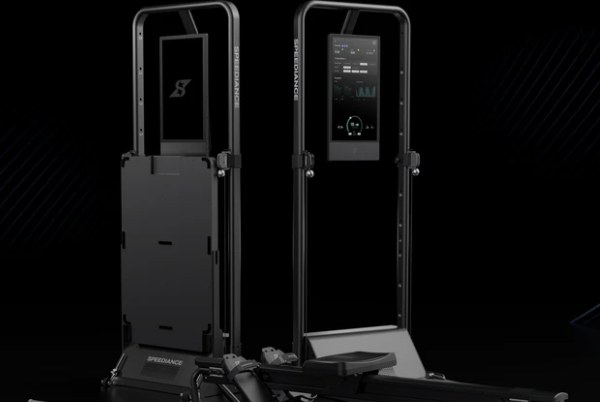
None of this exists without the machine underneath it. Mission Control is a coaching layer over a Speediance Gym Monster 2, and it is only as good as what that device is willing to record and hand back. The GM2 keeps a real execution record — exercise identity, resistance per set, reps, timing, and left/right work on unilateral movements — and that record is what the coaching layer is built on.
Speediance’s own writing on connected ecosystems makes the point better than a testimonial would. In How Connected Ecosystems Integrate Third-Party Fitness Apps and Devices, Yang Chen argues that the value of an integration is contextual rather than cosmetic — that “integration is only as good as the weakest measurement and mapping step,” that normalising what two systems each call a “session” is the hard part, and that smart strength equipment should be judged “like training infrastructure, not just consumer electronics.” That is precisely the wager this system makes. The hub role the article describes is the one Precision Health plays here: it holds the device record, reconciles it with a wearable stream and hand-typed notes, and refuses to invent the fields nobody measured.
The article is also candid about what the data cannot prove — completion, resistance, reps, volume and heart-rate context are trustworthy; calorie estimates and automated movement-quality scores are not. That boundary is enforced in code here rather than left as advice, and it is a good deal easier to enforce when the manufacturer says the same thing in public. Credit where it is due: a device that records honestly, and an ecosystem open enough to read from, is what made a governed coaching system possible in a spare room.
None of this works without the gym machine itself. Everything here sits on top of a Speediance Gym Monster 2, and it can only be as good as what that machine records. It saves what you actually did — which exercise, how much weight on each set, how many reps, how long, and each side separately on one-arm or one-leg moves — and that record is what everything else here is built on.
Speediance writes about this themselves. In How Connected Ecosystems Integrate Third-Party Fitness Apps and Devices, Yang Chen makes the case that connecting gadgets together is only worth it when the shared information actually helps your training, and that the whole chain is only as strong as its weakest measurement. That is the same bet this project made: keep the machine’s record, add your own words and a watch, and do not make up the parts nobody measured.
The article is honest about the limits too — reps, weight and completion can be trusted, while calorie counts and automatic “form scores” cannot. This system enforces that rule instead of just agreeing with it. Credit where it is due: an honest machine with an open ecosystem is what made a home gym system like this possible at all.
A very old idea, measured properly
station L1 · c. 1892
Gustav Zander’s 1890s stations — machine-guided, station-coded, dose-controlled exercise. Precision Health is the same idea with a ledger: the station plates painted on these machines are the ancestors of today’s template codes.
Who wrote this
Every page on this site was drafted by an AI and revised by a human. This page and the system it describes have been revised more than 500 times since July 2026.
revision floor 500 · counted 17 August 2026 · anpc-web + precision-health · figure refreshed occasionally, and always rounded down
…they took away the old planks as they decayed, putting in new and stronger timber in their place, insomuch that this ship became a standing example among the philosophers, for the logical question of things that grow; one side holding that the ship remained the same, and the other contending that it was not the same.
Plutarch · Life of Theseus 23.1 · tr. John Dryden, 1683
The paradox is the point, and it does not resolve. Every plank in this page has been replaced at least once; the argument about whether that makes it a different page is two thousand years old and no closer to settled.
What the count does not establish
- It counts commits, not authorship. A commit is a unit of change, not a unit of human effort, and the two do not convert.
- A large share of those commits were themselves AI-authored. They say so: each carries a co-author trailer naming the model that wrote it.
- No rule exists here that turns a revision count into a proportion of human contribution, so none is asserted. Section 04 refuses claims for exactly this reason, and the refusal applies to the page as much as to the training data.
- The figure is a floor taken on the date stamped above, not a live tally. It is rounded down and refreshed occasionally, so it runs behind the real count and never ahead of it.
The smallest safe conclusion is the first sentence of this section: drafted by a machine, revised by a person, many times. This page does not claim the larger one.
There is an old puzzle about a ship. If you replace its planks one at a time until none of the first ones are left, is it still the same ship? People have argued about it for two thousand years and never agreed. So this page will not pretend to settle its own version of it.
What the number does not tell you
- It counts changes, not who made them. A change can be one word or one thousand.
- Plenty of those changes were made by the AI too, and each one is signed to say so.
- So the number cannot be turned into “this much was written by a person”. Nobody here has a rule for that, so nobody here is claiming it.
- It is a “more than” number, counted on the date above. It is rounded down on purpose, so the real figure is always a bit higher than the one printed.
The honest answer is the first sentence: a computer wrote the first draft, a person went back over it, and that happened many times. Anything more than that would be guessing.